
At Senior Serenity Healthcare, we are committed to protecting the environment while continuing to provide safe, compassionate and person-centred care. We recognise the importance of reducing our environmental impact and are working towards more sustainable ways of delivering our domiciliary care and supported living services.
Our Carbon Reduction Plan focuses on five key areas: reducing unnecessary travel, improving energy efficiency, responsible purchasing, minimising waste and encouraging staff to adopt environmentally responsible practices.
Our commitment to sustainability
At Senior Serenity Healthcare, we recognise the importance of protecting the environment and reducing the impact of our operations on the planet.
As a provider of domiciliary care and supported living services, we are committed to delivering safe, person-centred, high-quality care while continually looking for ways to reduce our carbon emissions, minimise waste and use resources responsibly.
We understand that sustainability is a shared responsibility. Through practical changes to our daily operations, responsible purchasing, improved travel planning and greater environmental awareness, we aim to make our services more sustainable without compromising the quality of care we provide.
The wellbeing, dignity, independence and safety of the people we support will remain central to every environmental decision we make.
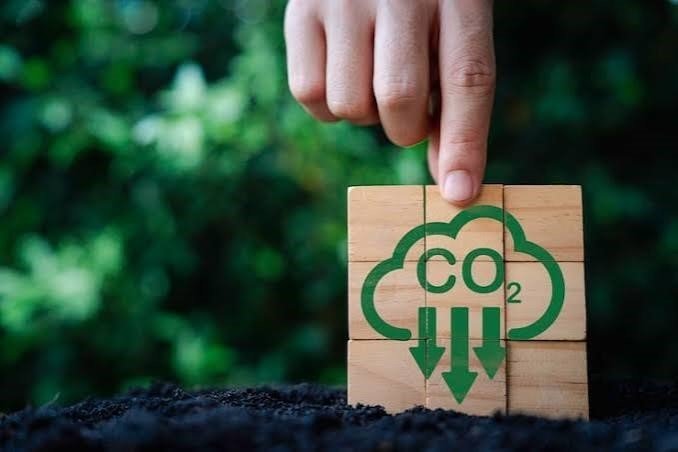
We are committed to identifying practical opportunities to make our operations more environmentally responsible. Our approach focuses on several key areas.
1. Our environmental objectives.
Our carbon reduction programme focuses on five key areas:
. Staff awareness and engagement: Encouraging employees and managers to contribute to our sustainability objectives through training, communication and continuous improvement.
. Reducing travel emissions: Improving staff journey planning, reducing avoidable mileage and encouraging lower-carbon travel where practical and appropriate.
. Improving energy efficiency: Reducing unnecessary energy consumption in our offices and any premises under our operational control.
. Responsible procurement: Considering environmental impact, product durability, packaging and delivery arrangements when purchasing goods and services.
. Reducing waste: Preventing unnecessary waste, improving recycling and promoting responsible resource use while maintaining infection prevention and control standards.
2. Measuring our carbon footprint.
Using energy responsibly can help reduce environmental impact. We encourage energy-conscious practices, including switching off lights and equipment when not required and considering energy-efficient options when purchasing or replacing equipment.
Small, consistent actions can contribute to more efficient operations over time.
3. Promoting responsible travel.
We intend to establish and maintain a documented greenhouse gas emissions baseline for our operations.
Our assessment will consider the emissions relevant to our business, including:
- Scope 1 emissions, such as fuel burned in company-controlled vehicles and on-site heating systems.
- Scope 2 emissions from purchased electricity and other applicable purchased energy.
- Scope 3 emissions, including relevant staff business travel, commuting, purchased goods and services, waste and other indirect emissions.
For supported living services, we will consider the responsibilities and arrangements associated with accommodation, utilities and facilities. We will distinguish between activities under our operational control and other relevant emissions in our value chain.
We will use recognised greenhouse gas accounting methodologies and appropriate UK Government emissions conversion factors. We will document our reporting boundary, assumptions, exclusions and data limitations to support consistent reporting and future improvements.
Baseline reporting period: To be confirmed following the initial emissions assessment.
Baseline emissions: To be calculated and published when reliable data is available.
We will not present estimated or unverified figures as measured emissions..
4. Our carbon reduction targets.
We intend to develop a measurable emissions reduction pathway based on our established baseline, operational requirements and available reduction opportunities.
Our proposed initial targets are:
- Year one: Aim to reduce absolute greenhouse gas emissions by 5–10% against the established baseline.
- By the end of year three: Aim to achieve a cumulative reduction of 15–25% against the same baseline.
- Long term: Work towards net zero greenhouse gas emissions from our UK operations by 2050 or earlier, subject to a documented and credible reduction pathway.
These targets are proposed objectives and have not yet been verified against a completed company emissions baseline. We will review their feasibility following the initial assessment and document any changes to our targets.
Our priority will be to reduce emissions at source through practical operational improvements rather than relying primarily on carbon offsets.
5. Actions to reduce our environmental impact.
Travel and transport
Travel between service users’ homes can be a significant source of emissions for domiciliary care providers. We will seek to:
- Improve the planning and coordination of care visits.
- Reduce avoidable travel between appointments where consistent with care plans and service requirements.
- Monitor business mileage and fuel consumption where records are available.
- Encourage walking, cycling and public transport where safe, practical and suitable.
- Assess lower-emission and electric vehicles when considering future vehicle replacement.
We will ensure that travel-efficiency measures do not compromise care continuity, visit times, safeguarding, staff safety or service-user wellbeing.
Energy efficiency
We will seek opportunities to reduce unnecessary energy consumption across our office and other premises under our operational control.
Measures may include energy-efficient lighting, responsible equipment use, improved heating controls and regular maintenance. Where appropriate, we will assess renewable electricity options and other energy-saving investments.
Procurement and supplies
We will consider environmental factors when purchasing relevant goods and services. Where practical, we will engage suppliers about environmental performance, packaging, product durability and delivery arrangements.
We will also look for opportunities to reduce unnecessary deliveries and improve the efficiency of purchasing activities.
Waste and resource management
We will promote responsible resource use, avoid unnecessary printing and packaging, and improve recycling where suitable facilities are available.
Waste management will continue to follow applicable legal requirements and our infection prevention, control and safe disposal procedures. Essential care supplies will not be reduced or substituted where doing so could affect safety or quality.
Supported living and accommodation
Where applicable, we will work with landlords, housing providers and other relevant partners to identify suitable opportunities for improving energy efficiency and reducing the environmental impact of shared facilities.
We recognise that responsibility for buildings, utilities and domestic energy use may vary between supported living arrangements. We will take these distinctions into account when assessing and reporting emissions.
Staff engagement
We will encourage employees to participate in our sustainability programme through appropriate induction, staff communications and operational guidance.
We welcome practical suggestions from our workforce and will seek to incorporate suitable improvements into our everyday working practices.
6. Implementation and monitoring.
We intend to implement our carbon reduction programme through a phased approach.
Phase one — Baseline and assessment
Collect available energy, mileage, fuel, waste and purchasing data; establish the reporting boundary; and identify the main sources of emissions.
Phase two — Practical improvements
Introduce appropriate travel-planning measures, energy-saving practices, staff awareness activities and improvements to waste management.
Phase three — Further reductions
Review procurement arrangements and assess the feasibility of additional investments, such as building improvements, renewable electricity and lower-emission vehicles.
Phase four — Review and improvement
Assess performance against our baseline, review progress towards our targets and update our action plan to reflect lessons learned and changing operational needs.
We aim to review progress quarterly and update this Carbon Reduction Plan at least annually.
7. Performance indicators.
We intend to monitor suitable indicators to assess progress, including:
- Total reported greenhouse gas emissions, measured in tonnes of carbon dioxide equivalent (tCO₂e).
- Business mileage and fuel consumption.
- Electricity and gas consumption at relevant premises.
- Availability and completeness of travel and energy records.
- Waste generation and recycling information where available.
- Staff engagement with relevant sustainability activities.
- Progress against our approved reduction actions and targets.
We will seek to improve the quality and completeness of our data over time so that future assessments provide a more reliable picture of our environmental performance.
8. Governance and accountability.
Responsibility for implementing this plan will sit with our directors and designated management representatives.
A nominated manager will coordinate the collection of emissions data, monitor actions, maintain relevant records and report progress to senior management.
Our directors will review the plan, consider progress against targets and approve material changes to our environmental commitments.
We will retain appropriate supporting records and use the findings of our reviews to inform future operational and business decisions.
9. Our commitment to responsible care.
Our environmental objectives support, rather than replace, our responsibilities to the people who use our services.
We will not pursue carbon reduction measures that compromise person-centred care, dignity, safeguarding, infection prevention, safe working practices or continuity of service.
We believe that environmental responsibility and high-quality care can work together through thoughtful planning, effective management and continuous improvement.
10. Review and publication.
This plan will be reviewed at least annually and updated as our emissions data, operations and reduction opportunities develop.
We will seek to report progress transparently and ensure that any published emissions figures or claims of reductions are supported by appropriate evidence.
Company Plan Details
Company: Senior Serenity Healthcare Ltd
Plan owner: Bukola Ademolaju
Publication date: 10/10/2026
Next review date: 10/10/2027
Contact: info@seniorserenity.co.uk
Document status: Approved and published.